
Most people meet the Supreme Court of the United States through a headline. A ruling lands, social media erupts, and a dozen confident explanations contradict each other before lunch. If you have ever felt lost trying to work out what a decision actually changed, whether a case is “over,” or why the justices took one dispute and ignored another, you are in good company. The confusion is rarely your fault. The Court operates through procedures, vocabulary, and timelines that nobody teaches in a single place.
This guide is meant to fix that. It walks through what the Court is, where its power comes from, how cases reach it, how the justices decide, and how you can read the results without being misled. It is educational and not legal advice. If a court case affects you personally, understanding attorney credentials and roles will help you choose a licensed attorney who is the right person to consult.
What Readers Need to Understand First
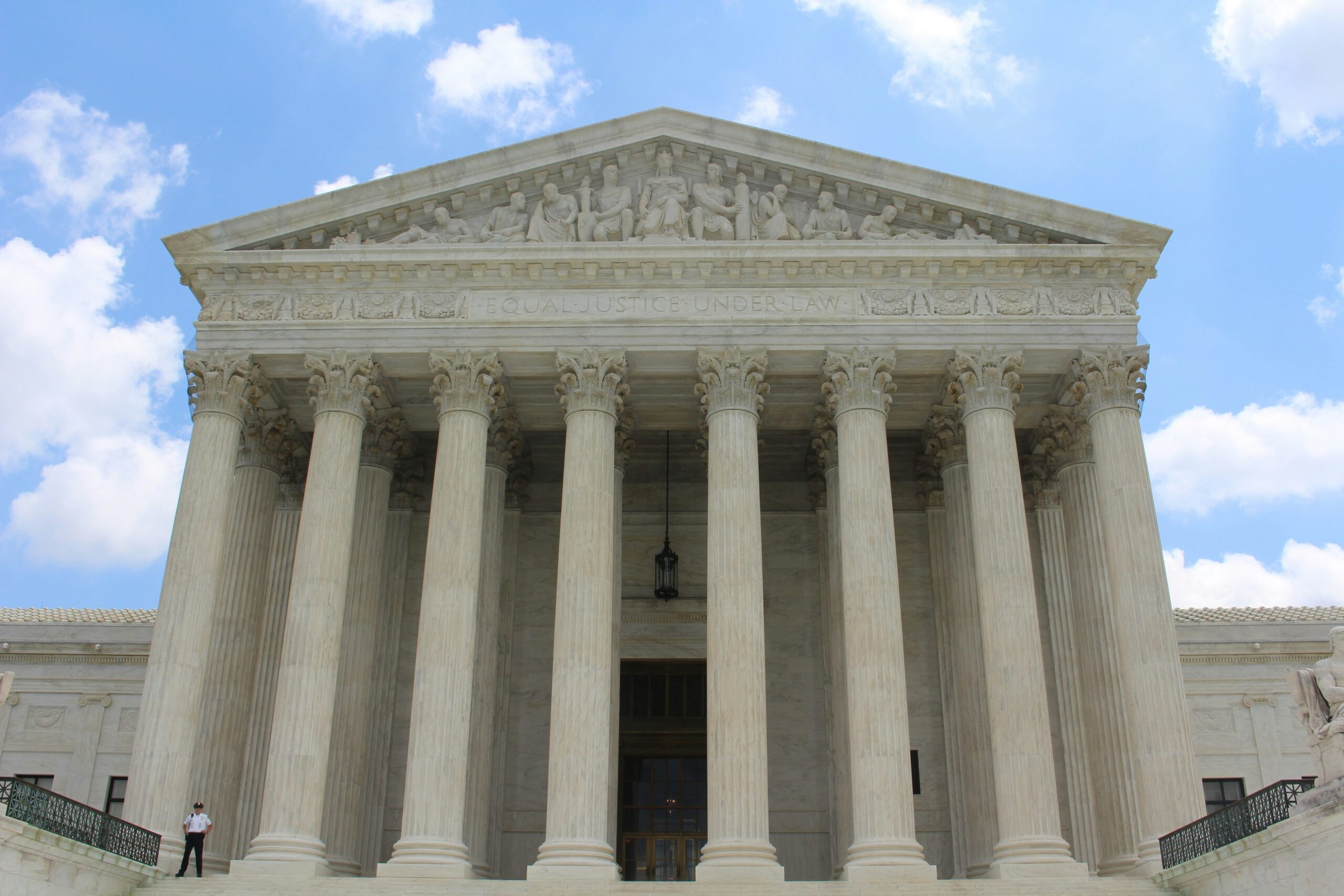
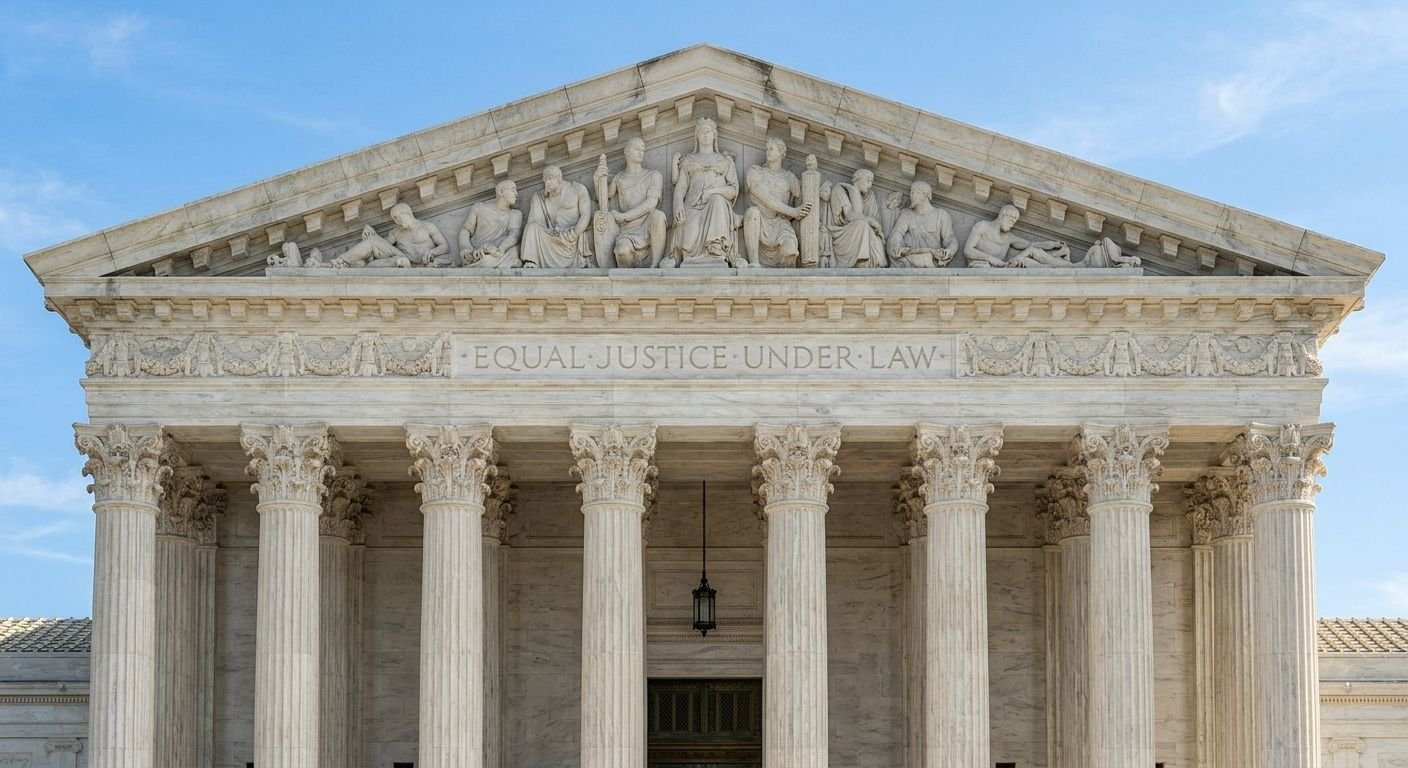
The U.S. Supreme Court serves as the highest judicial authority within the federal court system.
Article III of the Constitution establishes one Supreme Court and leaves Congress to create lower federal courts. That is why the Court is a constitutional institution, while the circuit courts of appeals and district courts exist because Congress chose to build them.
Many people assume the Court exists to correct every unfair result. It does not. Its job is narrower and more important: it settles questions of federal law, resolves disagreements among lower courts, and decides whether government actions fit within the Constitution. A case that was handled badly on the facts usually ends in the lower courts. The Supreme Court wants questions that matter beyond the parties in front of it.
Today the bench has nine members: one Chief Justice and eight Associate Justices. The current roster includes Chief Justice John Roberts and Associate Justices Samuel Alito, Amy Coney Barrett, Ketanji Brown Jackson, Elena Kagan, Brett Kavanaugh, Neil Gorsuch, Sonia Sotomayor, and Clarence Thomas. The number nine is not in the Constitution. Congress set the size by statute, and the Court has had nine members since 1869. Because membership can change through retirement or vacancy, verify the roster on the Court’s official website before citing it in anything important.
Where the Court’s Authority Comes From
The authority of the Supreme Court of the United States rests on three things: the constitutional text, a famous early decision, and public acceptance. The text gives the Court the “judicial Power” of the United States and defines which kinds of cases fall within it. The early decision is Marbury v. Madison in 1803, which established that courts may review the actions of the other branches and decline to enforce laws that conflict with the Constitution. That principle is called judicial review, and it is the foundation of nearly everything the Court does in high-profile disputes.
The third source, public acceptance, is easy to overlook. The Court has no army and no budget power over the executive branch. It depends on officials and citizens following its rulings. That reliance is one reason the justices write detailed opinions explaining their reasoning. A ruling that people understand, even when they dislike it, is easier to respect than one that appears unexplained.
Justices are nominated by the President and confirmed by the Senate. They hold their offices during good behavior, which in practice means for life unless they retire, resign, or are impeached and removed. Life tenure was designed to insulate judges from political pressure. It also means a single appointment can shape the law for decades, which explains why confirmation fights attract so much attention.
How a Case Actually Reaches the Court
This is where most readers get stuck, so it deserves careful attention. The Supreme Court of the United States has a small category of original jurisdiction, which means a few kinds of disputes, such as certain conflicts between states, can start there. Nearly everything else arrives on appeal.
The usual path begins in a trial court, moves to an intermediate appeals court, and then reaches the Supreme Court through a petition for a writ of certiorari. Certiorari is simply a request asking the Court to review a lower court’s decision. Granting it is discretionary. Under the long-standing “rule of four,” at least four of the nine justices must agree to hear a case. The Court receives thousands of petitions each year and agrees to hear only a small fraction, so a denial is the normal outcome and should not be read as a statement that the lower court was right.
That point trips up many people. When the Court declines to hear a case, it has not endorsed the decision below. It has only chosen not to take it up, for reasons that may include a poor vehicle for the legal question, a lack of disagreement among lower courts, or a desire to let an issue develop further.
The Court also handles emergency applications, often called the emergency docket. These are requests to pause or allow some government action while litigation continues. Rulings on this docket can have real effects quickly, but they are often brief and may carry little explanation. Treat them as interim decisions, not final answers on the merits, unless the Court says otherwise.
The Rhythm of the Court’s Year
Knowing the calendar helps you anticipate news and avoid reading too much into timing. By federal law, the term begins on the first Monday in October, and arguments normally start that day. The justices then hear arguments in seven two-week sessions between October and April, and announce decisions through the end of June. The Court’s own site confirms that the current term, October Term 2026, runs from October 5, 2026, through October 3, 2027. scotusblogsupremecourt
In current practice the justices hear argument in about 55 to 60 cases each term. That figure is small compared with the thousands of petitions filed, which reinforces the earlier point about selectivity. Cases granted late in the term are generally held over to the next October, so a case you read about in February may not be argued until the following fall.
The busiest news period is late June, when the biggest opinions tend to arrive. If you are following a particular dispute, expect a long wait between oral argument and decision. Quiet months do not mean the Court has forgotten the case. Justices circulate drafts, negotiate language, and write dissents, all of which takes time.
How the Justices Decide
After a case is accepted, the parties submit written briefs, and outside groups may file friend-of-the-court briefs. Oral argument usually gives each side a limited time, and reviewing official Supreme Court argument transcripts shows how quickly justices interrupt with probing questions. People often read too much into those questions. A tough question can signal skepticism, but it may also be a justice testing the strength of a position or probing a hypothetical to see where a rule would lead.
Soon after argument, the justices meet privately and vote. A majority of the participating justices decides the outcome. If the Chief Justice is in the majority, the Chief assigns who writes the opinion; otherwise the senior justice in the majority assigns it. Justices who disagree may write dissents, and those who agree with the result but not the reasoning may write concurrences. These separate writings matter because they signal how future litigants might push the law.
A practical reading tip: the controlling reasoning of a decision is in the majority opinion, not the dissent. When a fractured Court produces a plurality, with no single rationale commanding five votes, the exact holding can be hard to pin down, and lawyers spend years arguing about it. If you are summarizing a ruling for a class, a newsletter, or a business decision, quote the holding from the majority opinion and note whether it was unanimous or divided.
Common Mistakes People Make When Following the Court
The first mistake is treating the Supreme Court of the United States as the same thing as the federal government’s policy arm. The Court does not propose laws or enforce them. It interprets them in the context of real disputes. If a statute is struck down, Congress can often write a new one. If the Court interprets a statute in a way lawmakers dislike, they can amend it. Constitutional rulings are harder to change, since they require a later Court decision or a constitutional amendment.
The second mistake is relying on a headline instead of the opinion. Headlines compress, and compression distorts. A ruling described as “upholding” something may rest on narrow procedural grounds. A decision called a “loss” for one side may leave most of their position intact. Whenever a decision matters to you, open the opinion itself. Every opinion begins with a short summary, called a syllabus, that states the question and the result in plain terms. It is not part of the official opinion, but it is an excellent starting point for non-lawyers.
The third mistake is assuming a decision applies everywhere in exactly the same way. A ruling binds lower courts on the question it decides. How far it reaches depends on how broadly or narrowly the Court wrote. Follow-on litigation often settles the edges. If you run a business, manage a school, or work in government and a ruling touches your area, wait for guidance from counsel instead of reacting to early commentary.
The fourth mistake is confusing a denial of review with approval, as discussed earlier, and the fifth is reading an emergency order as if it were a full ruling. Both errors are common, and both lead people to overstate what the Court has said.
A Realistic Way to Follow the Court Without Burning Out
You do not need to read every filing. A sensible routine is to check the Court’s official website for the calendar and argument schedules, then look at the opinions page once decisions begin to appear. New opinions are posted first in slip opinion format and later edited for the bound volumes of the United States Reports. That distinction matters if you are citing a case in formal work, because page numbers and wording may change slightly in the final version.
For explanation, pair the primary source with a reputable legal news outlet that covers the Court daily. Read the opinion’s syllabus, then the majority, then a concurrence or dissent if you want the strongest counterargument. This simple order gives you the holding first and the disagreement second, which is a far healthier way to understand any contested ruling than starting with commentary.
If you are a student, teacher, or journalist, keep a short note for each case with four items in sentence form: the legal question, the vote, the holding, and the open issues left behind. That habit forces precision and keeps you from repeating something that sounded right in a social media post but is not what the Court held.
Why the Court Matters Beyond Famous Cases
It is tempting to think the Court only matters when it decides blockbuster political cases. In reality, its quieter rulings shape daily life. Decisions about criminal procedure influence how police and prosecutors conduct themselves. Decisions about administrative law influence how federal agencies write and defend rules. Decisions about contracts, patents, bankruptcy, and employment affect businesses and workers who never follow the news. Even procedural rulings about who may sue, and when, decide which disputes ever get heard.
For this reason, anyone who runs an organization, manages compliance, or plans around federal regulation benefits from understanding how the Court reasons. You do not have to predict outcomes. You only need to know that the Court generally favors resolving the narrowest question needed to decide a case, that it often tries to harmonize conflicting lower-court views, and that it pays attention to text, history, and precedent in varying proportions depending on the justice.
Limits of What Anyone Can Tell You
Honesty requires admitting what cannot be known. Nobody outside the Court can reliably predict how a case will come out, when a justice will retire, or which petitions will be granted. Commentators who sound certain are usually guessing based on patterns. Treat predictions as informed opinions and not as facts. Also remember that the Court’s composition, docket, and rules can change, so confirm current details on official sources before relying on anything you read, including this article.
Conclusion
The Supreme Court of the United States can feel intimidating, but its basic machinery is learnable. It decides a limited number of cases, chooses most of them through discretionary review, explains its choices in written opinions, and releases the most closely watched decisions at the end of a term that starts in early October.
Once you understand certiorari, the difference between merits rulings and emergency orders, and the importance of reading the majority opinion, most of the confusion disappears. Follow primary sources first, use commentary second, and be careful about claiming more than a ruling actually says. That approach will serve you well whether you are studying law, writing about politics, running an organization, or simply trying to be a better-informed citizen.
Frequently Asked Questions
Can the Supreme Court of the United States hear any case it wants?
No. Federal courts, including the Court, can decide only real disputes within their constitutional and statutory authority. A person who lacks a concrete stake, called standing, usually cannot bring a case, and the justices will not issue advice on hypothetical questions. Within those limits, the Court has wide discretion over which appeals to accept.
Why do some decisions come out 5-4 while others are unanimous?
Many cases involve narrow, technical statutory questions where the justices agree, even if the subject sounds heated to outsiders. Divided votes tend to cluster around questions where text, history, and policy pull in different directions. Looking at the full set of decisions in a term gives a more accurate picture than looking only at the closest, most publicized ones.
Is a Supreme Court ruling permanent?
Not always. The Court can overrule its own precedent, though it does so rarely and usually after careful explanation. Congress can also respond to a statutory ruling by changing the law. Constitutional rulings are the most durable because only a later decision or an amendment can alter them.
How can an ordinary person read an opinion without a legal background?
Start with the syllabus at the front, then read the first few pages of the majority opinion, where the justice usually states the question and answer plainly. Skip dense citations on the first pass. Return to them only if you need to verify a particular point.
Does the Court’s decision to deny review mean it agrees with the lower court?
No. A denial means fewer than four justices wanted to hear the case, and it carries no ruling on the merits. Occasionally a justice writes a short statement explaining a concern, which can hint at future interest, but the denial itself is not an endorsement.
How are justices removed?
Only through impeachment by the House and conviction by the Senate. Justices otherwise serve until they choose to leave. This structure protects independence but also makes vacancies unpredictable.
Where can I find reliable information about pending cases?
The Court’s official site posts argument calendars, dockets, and opinions. Pair it with respected nonpartisan legal reporting for context, and always verify key details against the primary documents.