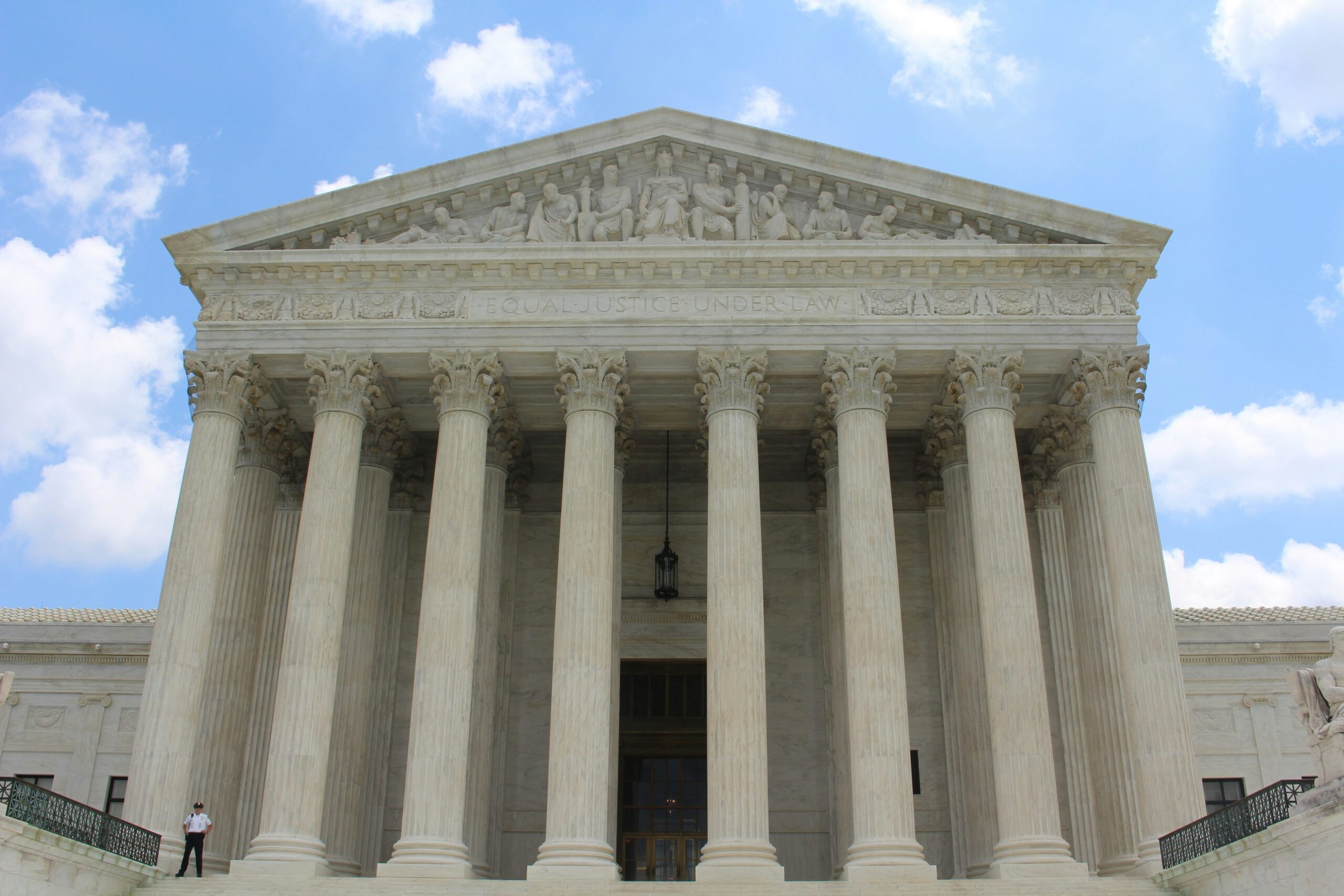

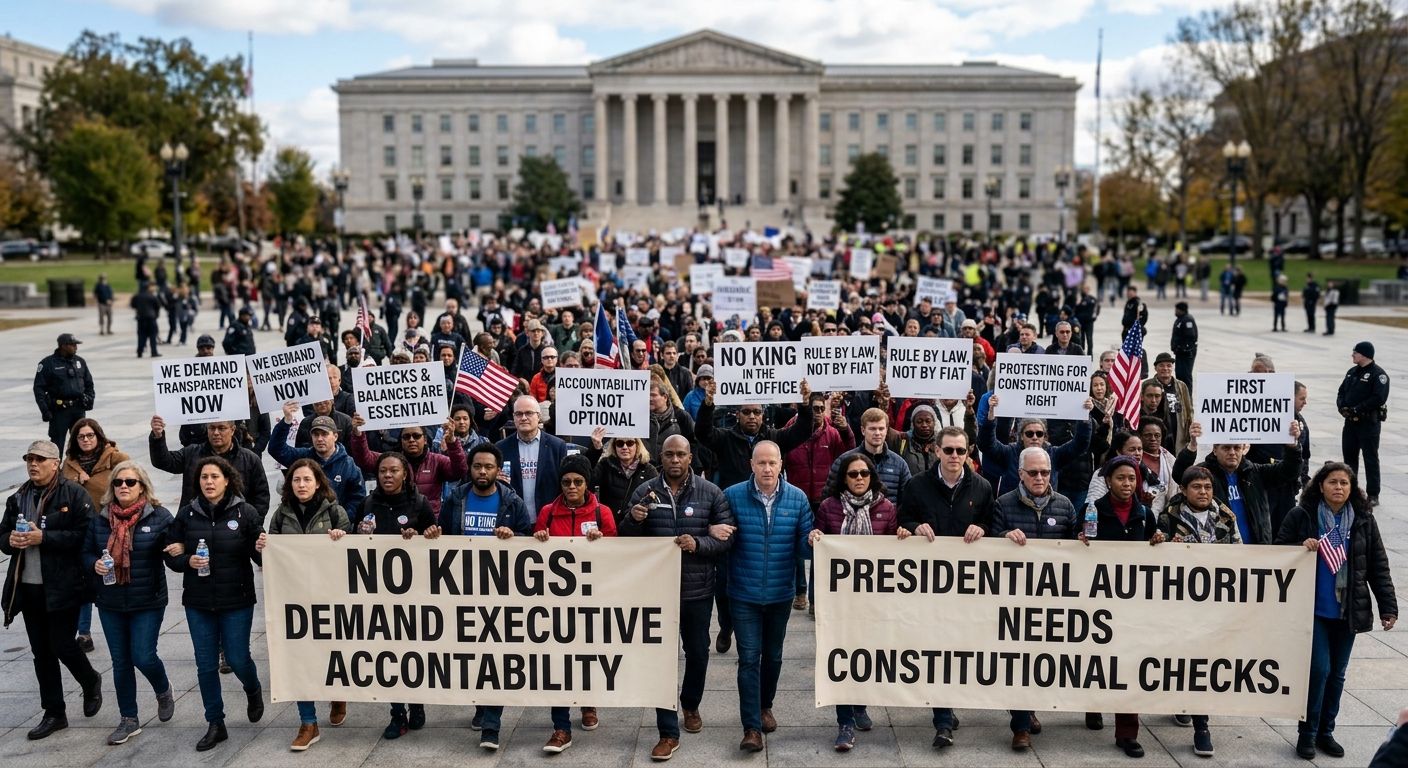
Public demonstrations centered on the theme of opposing executive overreach have emerged as a significant focal point of constitutional discourse across the United States. Frequently organized under slogans such as the No Kings movement, these public rallies draw attention to fundamental questions about the balance of power between the executive branch, Congress, and the judiciary. For everyday citizens, legal observers, and community organizers, understanding the root causes of these demonstrations is essential for evaluating how constitutional rights are exercised and protected in modern democratic societies.
When high-profile court rulings or legislative actions raise concerns about unchecked presidential authority, public anxiety naturally increases. Citizens often find themselves torn between supporting civic activism and worrying about potential disruptions, legal liabilities, or personal safety during large-scale public rallies. Gaining clarity on the legal principles governing executive immunity, legislative responses like proposed accountability statutes, and the constitutional guarantees protecting peaceful assembly allows individuals to navigate these complex societal events with objective understanding and practical confidence.
The Legal and Constitutional Origins of the Movement
To analyze why demonstrations against executive overreach occur, one must examine the legal developments that trigger public concern. The foundational principle of American jurisprudence relies on the rule of law, which asserts that no individual, regardless of their public office, possesses absolute immunity from legal standards. When judicial interpretations broaden the scope of official executive immunity from criminal prosecution, critics argue that such rulings undermine historical checks and balances.
The phrase central to the No Kings protest references the nation’s historical origin, specifically rejecting monarchical authority in favor of constitutional governance. Concerns arise when legal rulings create legal protections for executive actions that opponents believe blur the line between public service and unchecked authority. In response, constitutional scholars, advocacy groups, and lawmakers frequently debate statutory remedies—such as legislative acts designed to clarify executive limits—to reaffirm that public officials remain subject to statutory accountability.
Public Intent: What Drives Citizens to Participate?
Understanding the primary motivation behind public rallies is critical for contextualizing civic behavior. People taking part in protests for legal accountability often aim to highlight the need for government transparency, equal treatment under the law, and respect for constitutional rights.
The goal of such public engagement is rarely limited to simple opposition; rather, it reflects a broader desire to influence public policy, encourage legislative reform, and safeguard democratic norms.
These demonstrations often bring together a wide range of people, including civil rights groups, legal reform supporters, students, and local residents who want to see change. By assembling in public spaces, citizens attempt to signal to elected officials that public trust depends on maintaining clear operational boundaries for executive leadership. Recognizing these underlying civic drivers helps observers distinguish between standard political expression and broader constitutional advocacy.
Evaluating Constitutional Rights: The First Amendment and Public Assembly
The legal framework supporting any public demonstration rests directly on the First Amendment of the United States Constitution. Understanding how these rights apply in practice relies on constitutional assembly protections that safeguard peaceful gatherings on public land. The rights to free speech, peaceful assembly, and petitioning the government for a redress of grievances protect individuals participating in rallies centered on topics such as the No Kings movement. These rights generally extend to public spaces such as sidewalks, parks, and plazas near government buildings.
However, constitutional protections still have certain limits and rules that must be followed. Local municipalities possess the legal authority to enforce reasonable time, place, and manner restrictions to ensure public safety, prevent physical blockades, and maintain urban traffic flow. While local government agencies can require permits for large marches or amplified sound systems, they cannot deny permits based on the political viewpoint of the demonstration. Understanding these constitutional parameters helps organizers and attendees exercise their rights legally while avoiding unnecessary conflicts with law enforcement authorities.
Risks and Challenges to Consider During Public Demonstrations
Although most rallies are peaceful, large public gatherings can still pose safety and logistical challenges that organizers and participants should be prepared for.
High-density crowds can experience logistical challenges, including blocked transportation corridors, communication network overloads, and unexpected interactions with counter-protesters or security forces. Understanding these conditions helps participants make smarter choices about their safety and coordinate more effectively with others.
Another risk factor involves the potential for civil disturbance or escalation when intense political viewpoints collide in public spaces. In some cases, disruptive individuals or unauthorized groups may go beyond protected speech by damaging property or refusing to follow lawful police instructions.
Distinguishing between lawful assembly and unpermitted disruption protects participants from inadvertent legal exposure or personal injury during complex public demonstrations.
Strategic Solutions and Best Practices for Peaceful Advocacy
For civic organizations, community leaders, and individual citizens seeking to engage in constitutional advocacy, adopting structured planning strategies ensures that public expression remains effective, safe, and legally compliant. Advocacy campaigns tend to run more smoothly when organizers maintain clear lines of communication with local officials, legal observers, and participants.
Pre-Event Planning and Legal Verification
Before joining or planning a public protest, participants should check local laws and regulations to understand the rules for holding public gatherings. Ensuring that necessary permits are obtained for marches or public address systems minimizes the potential for law enforcement interventions. Having trained safety volunteers at large demonstrations can also help manage crowds, keep an eye on surrounding areas, and guide people to safety if an emergency occurs.
Digital Preparedness and Know-Your-Rights Awareness
Participants should understand their basic legal rights when taking photos in public, dealing with police, and protecting their digital privacy. In many places, people can legally photograph or record public events as long as they don’t interfere with police duties or violate applicable laws.
Carrying government-issued identification, keeping essential emergency contact numbers accessible, and utilizing secure communication tools help individuals manage unexpected logistical disruptions effectively during large events.
Common Mistakes to Avoid in Public Demonstrations
Engaging in public advocacy without adequate preparation can lead to unintended legal or personal complications. One common mistake is failing to review local event guidelines or ignoring official instructions issued by public safety officials. Disregarding lawful dispersal orders or stepping off designated parade routes without authorization can lead to administrative citations or physical detention.
Another critical error is engaging directly with counter-protesters in hostile verbal or physical confrontations. Rising tensions can take attention away from the protest’s main purpose while increasing the chances of injuries or legal consequences.
Maintaining a clear commitment to peaceful, non-violent advocacy protects both the individual participants and the overall credibility of the constitutional movement.
Legislative and Judicial Avenues for Long-Term Reform
While public demonstrations draw immediate visibility to issues surrounding executive power, achieving lasting systemic change requires engagement with formal legislative and judicial processes. Activism on the street often transitions into advocacy within legislative halls, where citizens petition representatives to support constitutional amendments or statutory oversight bills. Legislative proposals designed to establish explicit boundaries on executive immunity represent formal policy responses to public concerns raised during national protests.
Furthermore, legal defense foundations and civil liberties organizations frequently utilize judicial channels to challenge executive overreach directly. Accessing trusted constitutional law resources provides valuable context on how legal frameworks are tested in courts. Through friend-of-the-court briefs, civil lawsuits, and constitutional challenges in federal courts, legal professionals help strengthen accountability and uphold the rule of law. Supporting legal education initiatives, participating in local elections, and communicating with legislative representatives represent practical ways for citizens to contribute to structural governance solutions beyond attending public rallies.
Navigating Civic Responsibilities and Institutional Governance
The enduring legacy of movements opposing unchecked authority lies in their capacity to reinvigorate public understanding of democratic institutions. Demonstrations like the No Kings protest serve as visible reminders that constitutional governance relies on active public participation, institutional vigilance, and an unwavering commitment to the rule of law. Exploring resources on understanding fundamental civic duties helps individuals contextualize how public advocacy pairs with daily civic responsibilities. By balancing public assembly with structured civic dialogue, societies maintain the delicate equilibrium required to prevent executive overreach while preserving public order.
Ultimately, understanding the legal rights, historical contexts, and operational realities of public advocacy empowers individuals to respond thoughtfully to evolving national debates. Whether participating directly in rallies, analyzing policy developments, or supporting legal reform organizations, citizens play an essential role in preserving checks and balances. Taking part in civic life with a clear understanding of the law, a focus on safety, and careful planning helps ensure that public voices remain part of shaping constitutional government.
Frequently Asked Questions
What is the primary purpose of demonstrations focused on executive power?
These public demonstrations aim to raise awareness about the constitutional separation of powers, oppose legal interpretations granting broad executive immunity, and advocate for statutory or constitutional checks on presidential authority.
Are public demonstrations legally protected under the United States Constitution?
Yes, the First Amendment protects peaceful protests and free speech in the United States. However, local authorities can impose reasonable, content-neutral rules on when, where, and how demonstrations take place to maintain public safety and keep traffic moving.
Can local authorities require permits for public protests?
Local municipalities can require permits for large gatherings, street marches, or events using amplified sound systems. Permits cannot be denied based on the message or political stance of the demonstration organizers.
What should participants do if a dispersal order is issued by law enforcement?
If law enforcement issues a lawful dispersal order, participants should remain calm and exit the area safely along designated routes. Staying in an area after a clear, lawful dispersal order has been given can lead to arrest or legal citations.
How do legislative bills like presidential accountability acts relate to public protests?
Public protests often bring important issues to light, prompting lawmakers to consider new laws or propose changes to existing ones. Accountability bills aim to clarify statutory limits on executive power, responding directly to public demands for institutional checks and balances.
How can citizens support constitutional checks and balances without attending rallies?
Citizens can contribute by contacting elected representatives, supporting non-partisan legal defense organizations, participating in local elections, and engaging in community educational programs focused on constitutional law.