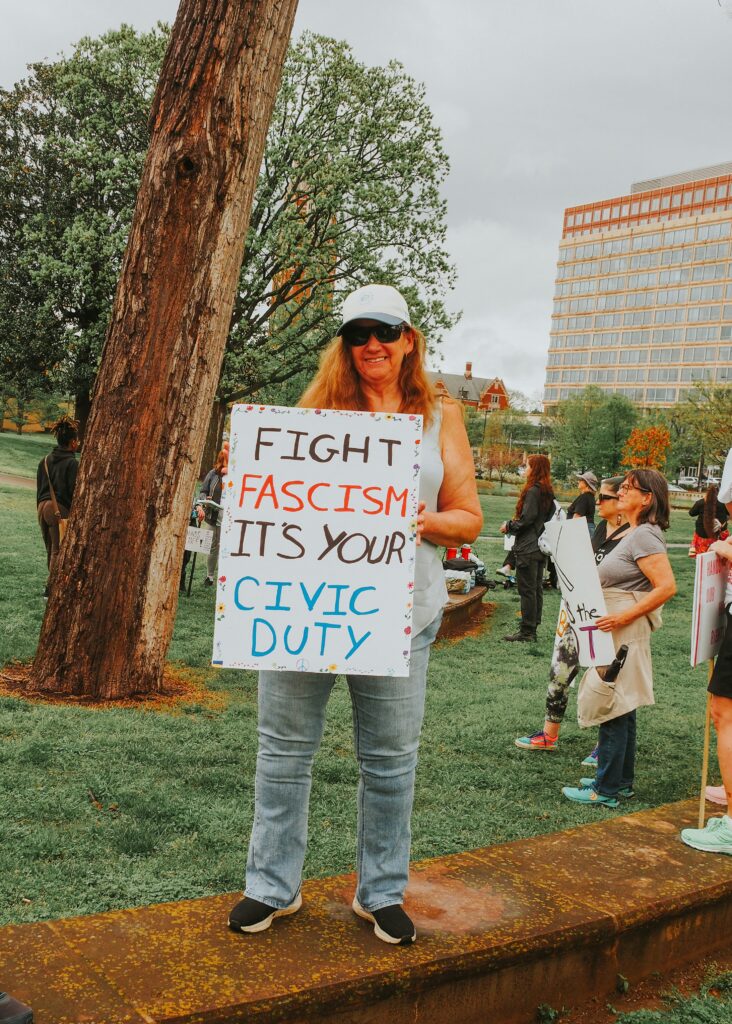
All communities rely on people willing to get involved to serve a purpose for the common good. Laws and regulations are established by government, but it’s citizens showing up to do what matters that allow a democracy to work for everyone. That Sense of Responsibility Is Civic Duty What is Civic Duty? Civic duty is the role of the individual to serve society, including what actions and duties that citizens are entitled to, as well as their responsibility to the law. Civic duty might simply be thought of as being responsible for showing up and voting.
However, civic duty is a much broader practice which involves much more than casting an ballot in any election.
The responsibilities associated with Civic Duty are to obey the law, pay taxes, vote, participate in your community by volunteering for non-profits or causes, and, as needed, serve on a jury if you are selected. Each of these activities play an important role in promoting and sustaining the level of public trust essential for safe and equitable communities and healthy democracies. Whether you are a new voter who is seeking ways to make your voice heard, or if you are interested in learning how government operates or are just seeking opportunities for citizen engagement, this article is intended to introduce you to how your participation, and the participation of all individuals, is important for the maintenance of society.
What Is Civic Duty?
So what is it for a person to have the duty to do civic duties? Civic duty is: “the rights and duties owed by the citizens of the nation, or by the people in a community, toward the nation, the community, and the democratic process.” Many of our civic duties are required, such as filing taxes; however, many are also just as important but do not require any legal binding, just a belief and interest in the public’s good.
Democracy can’t thrive in society if everyone simply expects things to happen, and without someone doing something. A functioning society relies on each citizen to recognize that their choice, decision, and participation in politics and community events matters and will affect other members. Basically a good civic duty demands that “everyone has an obligation to participate in serving the needs of the community and the nation of which he is a member.” Every act of a community member matters to someone else and to the community as a whole.
Why Civic Duty Matters
The significance of civic duty does not stop at the individual level. It impacts on institutions, trust, and the well-being of society. When a populace performs civic duty, governments work in a more transparent manner, safer communities, and more reliable services are more readily at hand. In a democracy, failure to perform civic duties can have an impact on government effectiveness in reflecting and representing the community.
Strengthening Democracy
Support for democratic government is one major reason civic responsibility is important. Most modern governments in countries like ours are democracies. These types of governments depend on educated people taking part in elections, keeping informed on matters of public policy, and holding the people they have elected in power accountable.
If people get engaged, their governments often reflect the communities.
Voting, meeting officials, or attending community forums all foster stronger democracies.
Building Strong Communities
We flourish when citizens take an active role in the betterment of our communities. Whether by volunteering at a local school, helping out a charity, mentoring a young person, or joining in a neighborhood improvement effort, citizens are putting their citizenship into action. This will result in deeper bonds between people and resolve local issues that are out of the scope of public policy solutions.
Protecting Individual Rights
There are always obligations to accompany every right.
Our freedom of speech, the right to vote, and the right to worship a religion according to your faith are laws written, and they have importance when we honor the rights of others and responsibly fulfill our civic responsibilities. Learning about your role as a citizen encourages you to make your personal liberty as important as those of other people around you.
The Difference Between Civic Duty and Civic Responsibility
Although these terms are often used interchangeably, they have slightly different meanings.
Civic Duty
A civic duty generally refers to actions that citizens are expected—or sometimes legally required—to perform for the benefit of society.
Examples include:
- Serving on a jury.
- Paying taxes.
- Following the law.
- Responding to a legal summons when required.
Some civic duties are mandatory because they help maintain the justice system and public institutions.
Civic Responsibility
Civic responsibility usually refers to voluntary actions that improve society even though they are not legally required.
Examples include:
- Volunteering for nonprofit organizations.
- Donating to charitable causes.
- Participating in community clean-up events.
- Mentoring students.
- Supporting local organizations.
Both civic duty and civic responsibility contribute to stronger communities, but one may be legally required while the other reflects personal commitment.
Common Examples of Civic Duty
Many people fulfill civic duty in their everyday lives without realizing it.
Voting in Elections
Voting can arguably be identified as the most commonly recognized example of Democratic practices and political participation. Voting-when we select leaders with the intention of those elected will have significant impacts on our education, our health care system, our public safety, our public transport, etc.-is another vital expression of our engagement. While voting legislation may vary from one nation to another, in the end, voting is one of the most potent of the means by which citizens hold power in government.
Obeying the Law
- Respecting laws is a basic civic duty that supports public safety and social order.
- Traffic laws, criminal laws, and local regulations exist to protect individuals and communities.
- When citizens follow the law, they contribute to a more predictable and secure society.
Paying Taxes
Taxes provide funding for many essential public services, including:
- Public schools
- Roads and bridges
- Emergency services
- National defense
- Public transportation
- Healthcare programs
While paying taxes may not always be popular, it is one of the fundamental civic duties that supports government operations.
Serving on a Jury
In countries that use a jury system, eligible citizens may be called upon to serve as jurors in court proceedings.
It supports the process by means of a jury system and has the ability to deliver an unbiased perspective on the case.
Jury service will sometimes demand effort and time from an eligible citizen, but is still deemed to make a big difference to our legal systems.
Voluntary Ways to Demonstrate Civic Duty
Not every contribution requires legal obligation.
Many citizens choose to strengthen their communities through voluntary service.
Community Volunteering
Volunteers play an essential role in many nonprofit organizations.
Examples include:
- Food banks
- Animal shelters
- Community gardens
- Youth organizations
- Disaster relief efforts
- Environmental projects
Volunteering allows individuals to directly improve the lives of others while developing stronger community connections.

Participating in Local Government
Citizens who attend city council meetings, school board sessions, or community planning discussions help shape local decision-making.
Even simply staying informed about community issues allows residents to participate more effectively in public discussions.
Supporting Public Education
Parents, teachers, and community members often contribute by:
- Attending school board meetings.
- Mentoring students.
- Participating in parent organizations.
- Supporting educational programs.
Strong public education depends on active community involvement.
Civic Duty in Everyday Life
Many people think civic participation requires major political involvement, but everyday actions often have lasting effects.
Simple examples include:
Respecting Public Spaces
Keeping parks clean, properly disposing of trash, and protecting public property demonstrate respect for the shared spaces everyone uses.
Helping Neighbors
Checking on elderly neighbors, assisting during emergencies, or supporting local families in need reflects the spirit of civic duty.
Staying Informed
Reliable information helps citizens make better decisions by relying on credible news and media literacy practices.
Reading trustworthy news sources, learning about local issues, and understanding government policies enable meaningful civic participation.
Encouraging Civil Discussion
Healthy democracies benefit from respectful conversations, even when people disagree.
Listening carefully, considering different viewpoints, and discussing issues respectfully help reduce conflict while strengthening communities.
Civic Duty in Schools
Schools introduce students to civic duty long before they become eligible to vote.
Through civics education, community service projects, student government, and classroom discussions, young people begin developing the knowledge and habits needed for active citizenship.
Students may practice civic engagement by:
- Participating in student councils.
- Volunteering in local communities.
- Learning about the Constitution.
- Studying government institutions.
- Practicing respectful debate.
- Organizing school improvement projects.
These experiences prepare future generations to participate responsibly in democratic society.
How Civic Duty Has Changed Over Time
Ideas about civic duty are changing. What civic duty meant in past times (military duty, local office-holders etc) may differ now. As democracies have become more common, rights for the individual have also brought a corresponding increased set of duties.
At present day, public duty is no longer just confined to public representation.
Citizens can take part in online town hall meetings, digital literacy programs, online appeals or community awareness drives, among other things, to be involved with public matters and serve public interests.
Modern Challenges to Civic Duty
While civic responsibility is a given, what it looks like has drastically evolved over time. Accelerated pace of innovation, social media, global connections and shifts in life experiences have expanded the avenues for civic action, but also introduced new complexities. Perhaps one of the greatest hurdles is misinformation.
Information can now travel across borders at lightspeed, making it easier than ever for untruths and inaccuracies to mold public perceptions.
Exercising civic duty in the current environment necessitates the careful investigation of facts, reliance on trusted sources and critical assessment before jumping to conclusions based on sound bytes or viral whispers. Another issue is public participation’s ebb. Many communities are witnessing lower turnout at local government meetings, a decrease in volunteering or a lack of engagement in elections as compared to past generations. The busy pace of life, lack of confidence in governmental systems, and an underlying sense of futility about one person’s impact tend to hinder participation.
However, historical precedent reveals how impactful real change can often be.
Participation by the public in the digital realm also changes how we communicate with our governments and communities. For example, it has become convenient to directly address elected representatives, comment online on various matters before the public, and rally for petitions or campaigns. Nevertheless, these digital facilities, though convenient for convenience sake, are a means of complementing, and not substituting, engagement on the ground and thoughtful discourse.
Common Misconceptions About Civic Duty
There are lots of incorrect interpretations of what it means to be a citizen, so by correcting these, citizens will be more confident and involved in what they can do to serve society.
Myth 1: Civic Duty Only Means Voting
The vote is certainly one of the most visible examples of a duty of citizenship but it is by no means the only example. Obedience to laws, service on juries, paying of taxes, voluntary activity in any form of good causes or staying well informed about government is all good civic participation.
Myth 2: Only Adults Have Civic Responsibilities
Youth Citizenship can begin even before voting age Students show a commitment to their community when they: participate in volunteer activities; follow rules and regulations; obey parents; respect laws and authorities; perform neighborly favors; study how their community and government operate; read the news; offer suggestions to the government; and hold discussions.
Myth 3: One Person Cannot Make a Difference
One volunteer can spark positive changes and improvements within communities as one or several persons contributing can make a real difference to community well-being. Even if just one volunteer or voter can reach and help improve one neighbor it is worthwhile.
Myth 4: Civic Duty Is Only About Politics
Politics is only one part of civic life. Everyday actions such as recycling, supporting local charities, helping during emergencies, and respecting public spaces are also meaningful expressions of civic duty.
Practical Ways to Strengthen Your Civic Duty
Becoming a more engaged citizen does not require holding public office or leading major organizations. Even small efforts, when repeated consistently, can create meaningful results over the long term.
Stay Informed
Being informed of current affairs, the local council, and issues within the community will allow people to vote wisely. Research through balanced and reliable sources of information will allow for well informed participation.
Volunteer Your Time
Volunteers may also support a community organization. It is possible for people to make a positive impact in a food pantry, in their local library or youth center, through environmental cleanups, or by serving time at a community shelter.
Participate in Local Events
Town hall meetings, school board sessions, neighborhood associations, and community forums provide opportunities to learn about local issues and share constructive ideas.
Respect Different Opinions
Healthy communities are built on respectful dialogue. Listening carefully to others—even when opinions differ—encourages cooperation and helps solve problems more effectively.
Support Community Improvement
Simple actions such as reporting public safety concerns, participating in neighborhood clean-up events, or assisting local nonprofits demonstrate civic duty in practical ways.
The Role of Civic Duty in Building Future Generations
One of the most important, and beneficial, things we can do to shore up democracy in the long run is to educate children and youth for civic life. Homes, school, and community are vital parts in educating young people to become responsible members of society who can play a constructive role in their government and community. Children learn about civic participation in the home through such activities as sharing information about news events, working together on service projects in the community, and modeling behaviors that reflect respect for law and the norms of the community.
School contributes to the home in many ways through studies of government and civics, student organizations, community projects, and volunteer efforts.
Teaching children about their rights, responsibilities, and opportunities in civic life helps them become informed citizens, and exploring an law guide can further support lifelong learning and civic awareness.
Expert Perspective: Why Civic Duty Matters More Than Ever
Most political scientists, educators, and public administrators understand the basic concept that a community’s democratic principles are only as strong as its engaged citizens. Strong communities are more likely to develop a greater sense of cooperation between its inhabitants and government officials. It has been recognized that attentive and respectful citizens who are invested in making positive contributions will help create an environment where people have greater faith in their local institutions and that local governments can develop greater levels of transparency. Nonetheless, public service does not need to be burdensome or tedious, rather a positive way to work for just causes, assist others, and invest in the frameworks that protect liberties.
Conclusion
Civic duty Civic responsibility Civic engagement Public service Common good While a functioning, democratic society depends on its laws and public institutions – the stuff that our government puts in place – it depends just as much on the actions taken by individual, caring citizens every day. Whether you vote, respect laws, volunteer for a charity, serve on a jury, pay your taxes, or try to stay well-informed about the important issues of the day, civic duty means taking a part in the collective responsibility for the welfare of society. To most people, “civic responsibility” conjures up images of election day or politics.
But it involves so much more than simply going to the polls and casting a ballot.
It also involves treating others with respect, respecting public spaces and property, supporting community institutions, participating in public dialogue, and reaching out to those who need help. Individual acts may seem small, but they all add up to make a difference in our neighborhoods and communities and to create a more responsible government.
The wonderful aspect of the responsibility of the civic member is that it pushes a person to step beyond himself to recognize the interconnectedness of a person’s role in society. Whether one chooses to participate in the service project by the food bank, volunteer time to be a youth mentor, notify the local authorities of a safety risk, or become involved in the policy making for your community, your action will in some manner create a better community for all.
In recent years the civic responsibilities have evolved with technology and modern conveniences. The civic member has an opportunity to engage government by communicate via the internet and has an ease of access to public information now more than any other time in history. It is important that the individual discern credible information for accuracy before forwarding that to others and not contribute to the dissemination of information that is untrue.
Another essential element of civic responsibility, it seems, is to imbue future generations with such values. Whether by example from family, the school system or a respected member of the community, it appears we all need to work at demonstrating the ideals and tenets of a healthy democracy – including, respect for the diverse perspectives that have a voice in the common space.
Ultimately, then, civic duty isn’t just an obligation; it is a sustained, personal investment in strengthening society, upholding democracy, and giving your fellow humans a better chance at living good lives. Any one of us can make an enormous impact through smart voting choices, respectful discourse, and ongoing community involvement. And through civic engagement, we fortify our institutions, guard our liberties, and help to nurture neighborhoods and nation in which everyone can achieve their highest potential. When we all embrace even modest responsibilities, there are no bounds to the changes we can create.
Frequently Asked Questions
1. What does civic duty mean?
Civic duty refers to the responsibilities and actions citizens undertake to support their community, follow the law, and contribute to the functioning of society and democracy.
2. Is voting considered a civic duty?
Yes. Voting is widely regarded as one of the most important civic duties because it gives citizens a voice in selecting their leaders and influencing public policies.
3. What are some examples of civic duty?
Examples include obeying laws, paying taxes, serving on a jury, voting in elections, volunteering, staying informed about public issues, and participating in community activities.
4. Why is civic duty important?
Civic duty helps strengthen democratic institutions, encourages community involvement, promotes public trust, and supports the rights and freedoms enjoyed by all citizens.
5. How can students practice civic duty?
Students can participate in community service, join student government, respect school rules, volunteer locally, learn about government, and engage in respectful discussions about public issues.
6. How does civic duty differ from civic responsibility?
Civic duty often refers to responsibilities that may be required by law, such as jury service or paying taxes, while civic responsibility includes voluntary actions like volunteering and community involvement.