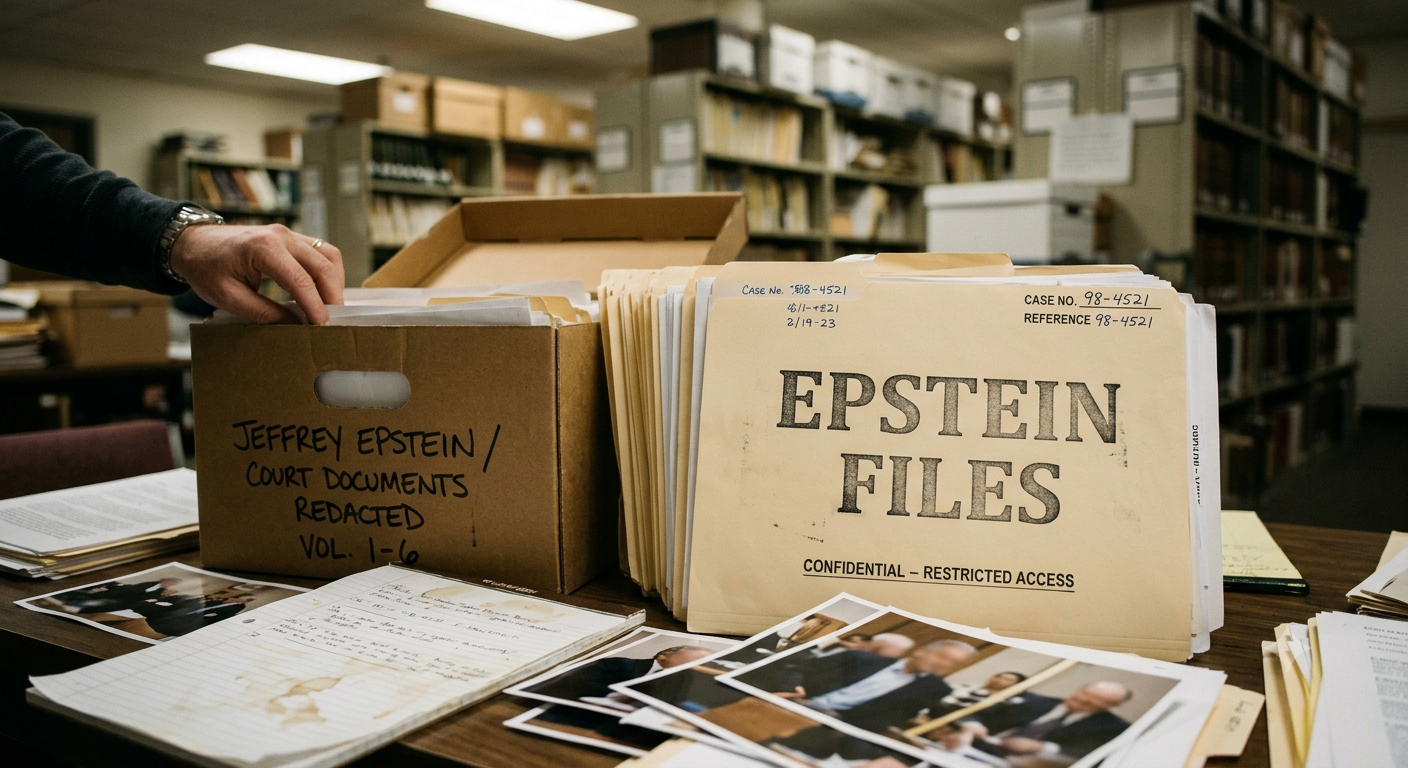
The question why didn’t Biden release the Epstein files has become one of the most searched political topics in recent years. It appears frequently on social media, in online discussions, and in news commentary. However, despite the popularity of the question, the answer is more legally complex than many headlines suggest.
A common misconception is that a U.S. president can simply order every government document related to a criminal investigation to be released immediately. In reality, records connected to criminal investigations, federal agencies, grand jury proceedings, and court cases are governed by different laws and institutions. Some documents belong to executive agencies, while others are controlled by federal courts or protected by longstanding legal rules.
To understand why didn’t Biden release the Epstein files, it’s important to distinguish between public records, sealed documents, investigative materials, and politically debated claims. This article examines what the “Epstein files” actually include, who has authority over them, and why some records remain unavailable to the public.
What Are the “Epstein Files”?
One reason the topic causes confusion is that the phrase “Epstein files” does not refer to a single collection of documents.
Instead, it is a broad term people use to describe several categories of records related to Jeffrey Epstein and investigations connected to him. These may include:
- Court filings from civil lawsuits.
- Criminal investigation records.
- Search warrant materials.
- Flight logs from aircraft associated with Epstein.
- Depositions and witness testimony.
- Emails and other evidence introduced during legal proceedings.
- Documents held by federal investigative agencies.
Some of these materials have already become public through court proceedings or judicial orders. Others remain sealed, redacted, or protected under federal law.
Because these documents originate from different sources, no single government official has complete authority over all of them.
Why the President Cannot Simply Release Every File
When people ask why didn’t Biden release the Epstein files, they often assume the president has direct authority over every government record.
The U.S. legal system does not work that way.
Although some records stemming from criminal prosecutions reside under the control of the Department of Justice, there are limitations to that control. Prosecutors are bound by federal law, by privacy laws, the rules of evidence, and court orders. In some instances, federal judges exercise control over records in addition to, or instead of, an executive agency.
For example, court-sealed records must generally receive judicial authorization prior to release.
Materials related to grand jury investigations are another good illustration. Under federal law, these documents are confidential and disclosure isn’t allowed on the grounds of public interest.
As a result, the answer to why didn’t Biden release the Epstein files involves legal authority rather than a single presidential decision.
The Difference Between Public Records and Sealed Documents
Understanding the distinction between public and sealed records is essential.
Public records are documents that courts or agencies have determined may be released without violating applicable laws or court orders. Understanding how court records become public provides useful context for why some legal documents are available while others remain sealed.
Sealed documents remain unavailable for reasons such as:
- Protecting ongoing investigations.
- Preserving fair trial rights.
- Safeguarding sensitive evidence.
- Protecting victims or witnesses.
- Complying with privacy laws.
- Following judicial sealing orders.
In some situations, portions of documents may be released while other sections remain redacted.
This process explains why information sometimes becomes available gradually rather than all at once.
What Has Already Been Released?
Although discussions often suggest that all information remains hidden, numerous records connected to Jeffrey Epstein have already entered the public record through legal proceedings over many years.
Various court cases have resulted in the release of:
- Civil court filings.
- Deposition transcripts.
- Certain flight records.
- Search warrant information.
- Judicial opinions.
- Evidence introduced during litigation.
Other records have become public after judges ordered the unsealing of previously confidential court documents.
However, each release has followed its own legal process rather than a blanket executive action.
Why Do Some Epstein-Related Records Remain Sealed?
A key reason the question why didn’t Biden release the Epstein files continues to circulate is that many people assume unreleased documents are being intentionally withheld by a single government official. In reality, there are several legal reasons why records connected to high-profile investigations may remain unavailable.
Courts may seal cases to prevent further legal proceedings from being compromised, maintain judicial proceedings in proper form and protect the privacy of individuals not charged. Some records include investigatory tools or other information of such sensitivity as personal identifiable information or testimony that can only be published under the order of the court.
Additionally, the nature of grand jury material falls under stringent federal confidentially rules; they are not released automatically at the end of an investigation, and typically require a judge to issue an order to unseal the record if an order is indeed legally warranted.
There is no automatic standard which ensures every record is unsealed because of the variety of classifications used on documents.
The Role of the Department of Justice
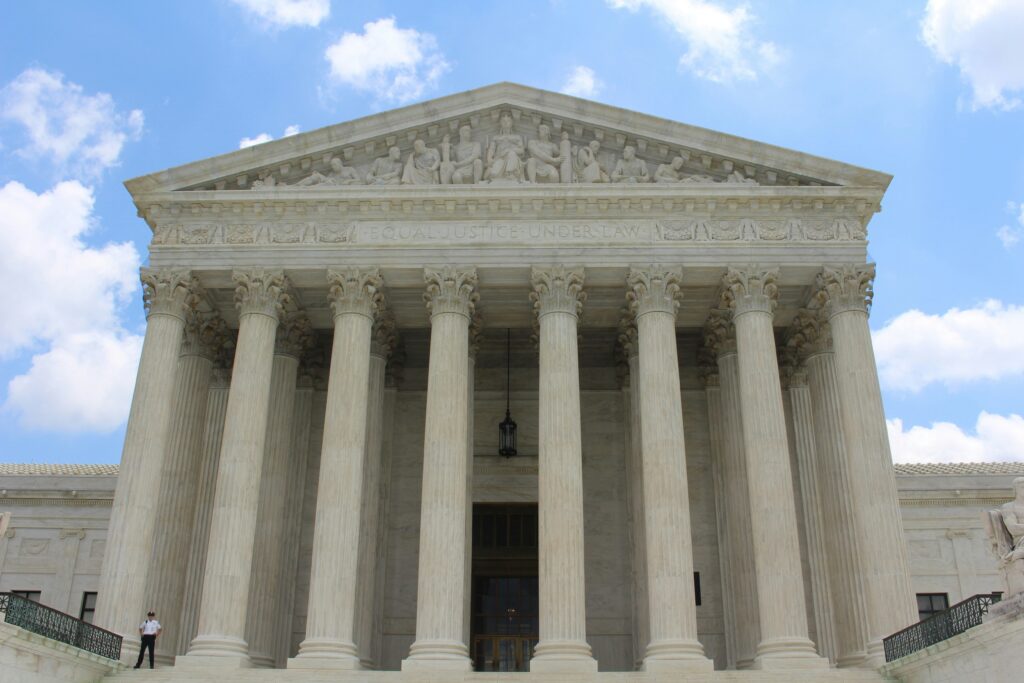
The Department of Justice carries out the prosecution and investigation of federal offenses. However, Its powers are the object of a legal framework with certain limitations. To be able to refuse to transmit the contents of the files to the different organizations it is subjected to a set of laws which determine what can be disclosed.
Indeed, all investigative files do not fall within the scope of public information and can remain accessible to investigators only based on court rulings and administrative instructions.
Career prosecutors , policies internal to agencies, criminal proceedings decided and privacy law are among the obstacles that can justify withholding investigative information. The head of the American judiciary and the Attorney General, appointed by the President, cannot avoid the criminal procedure and its decisions.
This distinction is important when evaluating claims surrounding why didn’t Biden release the Epstein files.
Why the Issue Became Politically Controversial
The Epstein inquiry garnered so much attention thanks to the gravity of the charges in question and so many high-profile individuals who over time cropped up on all manner of public records. As curiosity grew, so did calls for more answers. During a highly politicized time in the country, the issue was sometimes framed by disparate groups demanding different administrations come clean.
Public officials across administrations have been probed about Epstein records and conversation around them have extended beyond what is legally certain, into the realm of hyper-political argument, demands for openness, etcetera.
Being documents listed that you are included in the report in a connection to the examination by no means necessarily means you engaged in any illegal activity – evidence is judged against standards that are different from those in a public or in an online debate
Common Misunderstandings About the Epstein Files
Biggest mistake people are getting wrong is that the “Epstein files” are all contained in one folder and can be released by one executive order. The files that are referred to are all the records of all types of documents held at different institutions. Second mistake people think that all documents that haven’t been released hold new evidence.
The documents that are sealed may be just procedual records, repetitous materials, private personal notes or legal information that is being withheld due to legal technicalities opposed to why the document holds a significant place within public information.
People mix up court documents from a civil case to criminal documents because they don’t understand that both have their different own ways of being handled with their own set procedures.
Could More Documents Be Released in the Future?
Yes. Certain records might be released in the future because: A judge directs that the materials be released. Certain legal safeguards that require information be kept private are to become obsolete. In the judgement of an agency that it is allowed by the governing laws to disclose material.
It will depend on court orders and decisions, motions to the courts, matters of personal privacy, and the rules used to regulate federal documents how soon (or how not any} material is likely to be released. It would therefore not make any sense in speculating about whether or not you will know of additional materials being turned over at some stage, without some type of government proclamation or court declaration to back this presumption up.
How to Tell Fact From Fiction in Claims About the Epstein Files
Given the amount of misinformation online, it’s helpful to approach new claims carefully.
Consider the following questions:
- Is the information based on official court documents or verified government records?
- Does the report distinguish between confirmed facts and speculation?
- Is the source quoting actual legal filings rather than anonymous social media posts?
- Has the information been reported consistently by multiple reputable news organizations?
Taking these steps can help readers separate documented facts from rumors or unsupported allegations. Learning how to evaluate credible news sources can also make it easier to assess claims about high-profile legal cases.
Conclusion
The question why didn’t Biden release the Epstein files does not have a simple yes-or-no answer because the phrase “Epstein files” covers many different categories of records controlled by different legal authorities.
Several of Epstein’s documents have been made public through the court system and legal rulings; some of those documents are sealed as a result of federal protections of federal documents, as a matter of public interest or a specific court order pending other judicial developments or as an ongoing matter of inquiry, or for privacy. There is no power in the office of the president that will release each file in connection with the criminal investigation or sealed court proceedings
There are some things, as they come through, if any are unsealed due to a judicial decision. The context of how documents become public is more detailed than many simplifications online. You can also explore our legal and public policy insights for more explainers on government procedures, court processes, and current public issues.
Frequently Asked Questions
1. What are the Epstein files?
The phrase basically denotes the various reports compiled during the court proceedings: legal docs, evidence documents, flight logs, depos, search warrants, evidence logs etc all relating to Jeffrey Epstein.
2. Could a U.S. president release every Epstein-related document?
Perhaps not. Many documents are maintained by the federal courts, or are barred by a range of state and federal laws related to grand juries, privacy and criminal inquiries.
3. Have any Epstein-related records already been released?
Yes. Numerous court filings, civil case documents, and other records have been made public over the years through judicial proceedings and unsealing orders.
4. Why do some documents remain sealed?
Records may remain sealed to protect privacy, preserve legal proceedings, comply with federal law, or safeguard sensitive investigative information.
5. Does appearing in an Epstein-related document prove someone committed a crime?
No. The mere inclusion of someone’s name on a document, the flight of a person or in any legal case/in a legal action is not in and of itself definitive proof of criminality. Criminal responsibility rests in evidence considered throughout the court system.